HVAC Mold Remediation in Humid Central Florida: How Leaks and Condensation Fuel Mold Growth
In Central Florida, moisture does not need much help. Long humid stretches, heavy rain, and the pressure of hurricane season can push a house from slightly damp to persistently wet faster than many owners expect. In Groveland and across Lake County, that matters most where people do not always look first, inside the HVAC system and around the ductwork, drain lines, air handler, and nearby building materials.
When homeowners call about a musty smell, they often assume the problem is in a bathroom, under a sink, or around a window. Sometimes it is. But just as often, the air conditioning system has been quietly feeding the issue for weeks or months. A small leak, a clogged drain pan, sweating components, or air moving across damp insulation can create the kind of repeating moisture cycle mold needs. You wipe down a vent, run the AC harder, maybe even spray a cleaner near the register, and the odor comes back. That is the clue. Mold rarely becomes a lasting HVAC problem without moisture sticking around.
Florida health guidance is clear on this point. Mold grows when moisture is present, and recurring mold usually means the source of the moisture has not been corrected. In a region where AC runs for much of the year, that source is often tied to condensation or water intrusion.
Why Central Florida homes are especially vulnerable
A house in a dry climate can hide a minor HVAC issue for a while before it turns into visible fungal growth. In humid Central Florida, the margin for error is much smaller. Outdoor air already carries a heavy moisture load for much of the year. Every time warm, humid air meets a cooler surface, condensation becomes possible. That can happen at the air handler, around supply boots, on poorly insulated lines, and in spaces where cool air leaks into hot attic or garage conditions.

The local weather pattern makes the problem worse. Groveland sits in Lake County, where summer humidity, repeated storms, and seasonal heavy rain can create steady moisture pressure on the building envelope. Roof leaks may show up first as a stain on a ceiling, but they can also dampen insulation near ducts or drip into cavities that share air with the HVAC system. A plumbing leak in a wall can increase indoor humidity in one zone, while an AC system tries, and fails, to keep up. After a storm, a house may seem dry enough to occupy, yet hidden dampness around mechanical spaces can linger.
That is one reason Florida health guidance notes that if a central AC system is being used to lower humidity below 60 percent, the system should be examined for problems. When indoor humidity stays high despite regular AC use, or when a room feels clammy even while cool, the system may not be controlling moisture the way it should.
How HVAC systems become mold hosts
HVAC mold remediation starts with understanding how the moisture got there. Mold spores are common in the environment. The real trigger is available water and a surface that stays damp long enough for growth to establish.
Inside and around an HVAC system, that moisture usually comes from a few familiar trouble spots. Condensation is the obvious one. Air conditioners pull moisture from the air as part of normal operation. That water has to drain properly. If a drain pan cracks, a line clogs, or water does not exit as designed, moisture collects. Over time, surrounding materials can stay damp enough to support mold.
Leaks are the second common path. A roof leak above an air handler closet can wet nearby framing or insulation. A plumbing leak near return ductwork can raise humidity and dampen porous surfaces. Flooding after major rain or hurricane damage restoration Florida events can soak floors, wall cavities, and lower duct runs. When floodwater is involved, concerns multiply because contamination may include sewage cleanup issues, not just ordinary water.
The third path is air leakage and poor temperature separation. I have seen homes where the metal at a supply register sweated so consistently that the drywall around it softened and discolored. The owner thought the vent itself was leaking. What was really happening was humid air meeting a cold surface over and over again. The pattern was subtle at first, then chronic.
Then there is the problem of partial cleanup. Someone notices staining near the air handler, wipes away visible growth, replaces a filter, and assumes the problem is solved. A week later, the smell returns. That is normal when the system has not been inspected as a moisture system, not just as a cooling appliance. Cleaning alone does not beat recurring mold if wet insulation, a blocked drain, or hidden condensation is still active.
The clues people notice first
Most calls start with comfort complaints, not visible mold. The family notices the house feels sticky. One room smells earthy. The AC seems to run longer. Dust around a vent darkens quickly. Those are not proof of mold by themselves, but they are the kinds of changes worth taking seriously, especially during humid months.
A few warning signs tend to show up together:
- a musty odor that gets stronger when the AC starts
- repeated staining or spotting near vents, returns, or the air handler area
- indoor air that feels cool but still damp or clammy
- visible moisture around drain pans, lines, or nearby insulation
- mold that returns after surface cleaning
What matters is not just the presence of one symptom, but the pattern. If the odor disappears when the system is off and returns once cooled air begins moving, that points attention back to the HVAC side of the house. If humidity feels high even with the AC running regularly, the system may need examination.
Why surface cleaning so often fails
Mold removal Groveland homeowners attempt on their own often targets what they can see. That is understandable. A vent cover comes off, someone scrubs it, maybe paints over a stained patch, and the house looks better for a while. The deeper issue is that mold in HVAC-related situations is usually tied to a moisture path hidden behind finishes or around mechanical components.
Visible mold is often the least important part of the diagnosis. The practical question is, what kept this area wet? Was the drain pan holding water? Was there a roof leak during repeated rain events? Was humid attic air pulled into a return path? Did storm-related water damage cleanup Central Florida work stop before all affected materials were dry? Until those questions are answered, cleanup is cosmetic.
Florida guidance also makes a simple but important point: visible mold or recurring mold usually means the underlying moisture source still needs to be fixed. That is the line I come back to in real jobs. If it came back, you are not dealing with a cleaning problem. You are dealing with a moisture problem that cleaning did not solve.
Moisture sources that get overlooked
Some of the most expensive mold jobs begin with small, boring defects. A slow plumbing leak behind a wall. Bathroom ventilation that does not remove enough moisture. A kitchen area where steam and humidity drift toward a nearby return. A condensate line issue that would have been easy to address early, but sat long enough to affect framing, drywall, or flooring nearby.
Older homes add another layer of caution. If drywall, plaster, flooring, insulation, or mechanical chases need opening during remediation, older building materials may require special consideration. Homes built before 1978 may contain lead-based paint, so repair work that disturbs painted surfaces must be approached carefully. Likewise, major renovation or demolition involving older materials can raise asbestos concerns under applicable rules. That is where Groveland FL asbestos testing can become part of the conversation, especially before walls, ceilings, or old duct-related materials are disturbed. In some projects, asbestos abatement Lake County work may need to be handled before broader repairs move forward.
That is not fearmongering. It is just the reality of doing restoration correctly in older structures. Moisture damage rarely stays politely within one modern, easy-to-remove material.
What proper HVAC mold remediation actually involves
People sometimes use the phrase HVAC mold remediation to mean almost anything, from wiping vents to replacing equipment. In practice, the work should be more disciplined than that. The HVAC system does not exist in isolation. It interacts with airflow, humidity control, insulation, drainage, and the condition of nearby building materials.
A solid remediation approach usually starts with inspection and moisture correction before cosmetic cleanup. If the AC is being counted on to keep humidity under control and the home still feels damp, the system should be examined for problems. That may include looking at drain-pan performance, signs of condensation, nearby leaks, and whether mold growth is isolated to a vent area or connected to a larger moisture event.
Then comes containment and cleanup appropriate to the condition found. If the issue is tied to contaminated water, such as a backup that requires sewage cleanup, the health risk is not the same as a simple condensation problem. If floodwater entered during a storm, the response has to account for contamination and safety before anyone starts tearing materials out. FEMA and CDC flood guidance put safety first, especially around utilities and contamination risks after flooding.
The repair phase matters just as much as cleanup. If the line still clogs, if insulation remains damp, if a leak above the air handler is left unresolved, or if the room ventilation problem persists, the system is being set up for the same failure.
Storms, flooding, and the fast shift from damp to hazardous
In Central Florida, HVAC moisture issues do not always start as ordinary condensation. Sometimes the sequence begins with a storm. Wind-driven rain, roof damage, and flooding can all change the scope quickly. A home that took on water may need water damage cleanup Central Florida services first, then mold-related work after the extent of damp materials is understood.
Floods create a different risk profile than a simple AC drip. FEMA and CDC guidance both stress safety on reentry, including utilities and contamination concerns. Flooded homes can contain mold and sewage. If stormwater mixed with wastewater or a sewer backup occurred, sewage cleanup precautions and isolation are essential. That is not the kind of situation where someone should just run fans and hope for the best.
There is also the practical matter of documenting loss. After flood, smoke, or fire events, homeowners are generally better served when they document damage and coordinate with their insurer during cleanup and repairs. Insurance is a legal contract, and people should ask questions and understand their coverage. That becomes especially important when a job broadens from one issue, such as a wet mechanical closet, to a larger restoration project involving drywall removal, odor removal, and reconstruction.
When mold is part of a larger restoration picture
HVAC mold issues sometimes arrive with company. A property can have moisture damage from a leak, lingering odors in ductwork, and smoke residue from a small appliance fire, all in the same season. In those cases, the work stops being a single-trade repair and starts looking more like coordinated emergency restoration services.
Fire and smoke damage cleanup, for example, carries its own timeline and safety concerns. The first 24 hours after a home fire are important for safety checks, salvaging what is safe, and starting insurance and recovery steps. If the HVAC system pulled smoke through the house, odor removal may become part of restoring livable indoor conditions. But if there is also hidden moisture in the system, masking odors or cleaning surfaces without addressing dampness can leave the house with two unresolved problems instead of one.
That is why an experienced remediation company Lake County property owners trust should look at the full chain of events, not only the visible symptom. Musty odor, staining around vents, and occupant discomfort may reflect one defect or several layered together. Good judgment comes from separating them clearly.
The homeowner’s first moves matter
When people discover mold around vents or suspect the AC is tied to a musty smell, speed helps, but panic does not. The goal is to limit further moisture exposure, avoid making contamination worse, and preserve a clear record of what happened.
A sensible first response looks like this:
- note where odor, moisture, or staining appears and when it gets worse
- photograph visible damage before cleanup or demolition begins
- if storm or flood water is involved, prioritize safety, utilities, and contamination concerns
- coordinate with your insurer early when damage may involve broader repairs
- have the moisture source and HVAC performance examined, not just the visible mold
That last point is the one many people skip. They focus on the symptom they can see and underestimate the wet conditions they cannot.
Licensing, older homes, and why scope matters
Florida does not treat mold work as casual handyman territory. State guidance indicates mold assessor and see details mold remediator licensure is handled by the Florida Department of Business and Professional Regulation. For homeowners, that matters because a real remediation process may involve more than cleaning. It may include evaluating the moisture source, isolating affected areas, coordinating safe material removal, and making sure repair decisions match the age and condition of the structure.
Older homes especially demand restraint and planning. If opening walls near the HVAC system could disturb old finishes, lead-based paint concerns may apply in pre-1978 housing. If major removal touches suspect materials in an older building, Groveland FL asbestos testing may be necessary before work moves ahead. In some cases, asbestos abatement Lake County requirements can affect the order of work. That is not unusual during larger leak, flood, or hurricane damage restoration Florida projects.
The lesson here is simple. The mold is one part of the job. The building, the moisture source, the age of the materials, and the contamination category all shape the right response.
The difference between a temporary fix and a durable one
A temporary fix removes evidence. A durable fix changes conditions.
That difference shows up in very practical ways. If a vent is cleaned but the nearby cavity still collects condensation, the problem returns. If a drain issue is addressed but damp drywall is left in place after a prolonged leak, odor can linger. If flood cleanup ignores contamination, health risks remain. If a fire event leaves smoke in the system, fire and smoke damage cleanup and odor removal may need to happen alongside moisture correction.
Homeowners are often relieved to hear that not every musty AC complaint turns into a large reconstruction project. Some do not. But the reverse is also true. Some small signs point to wider damage, especially after storms or in homes where humidity has been poorly controlled for a long time. What separates a manageable job from a recurring one is usually not luck. It is whether the investigation was thorough enough to find the moisture driver.
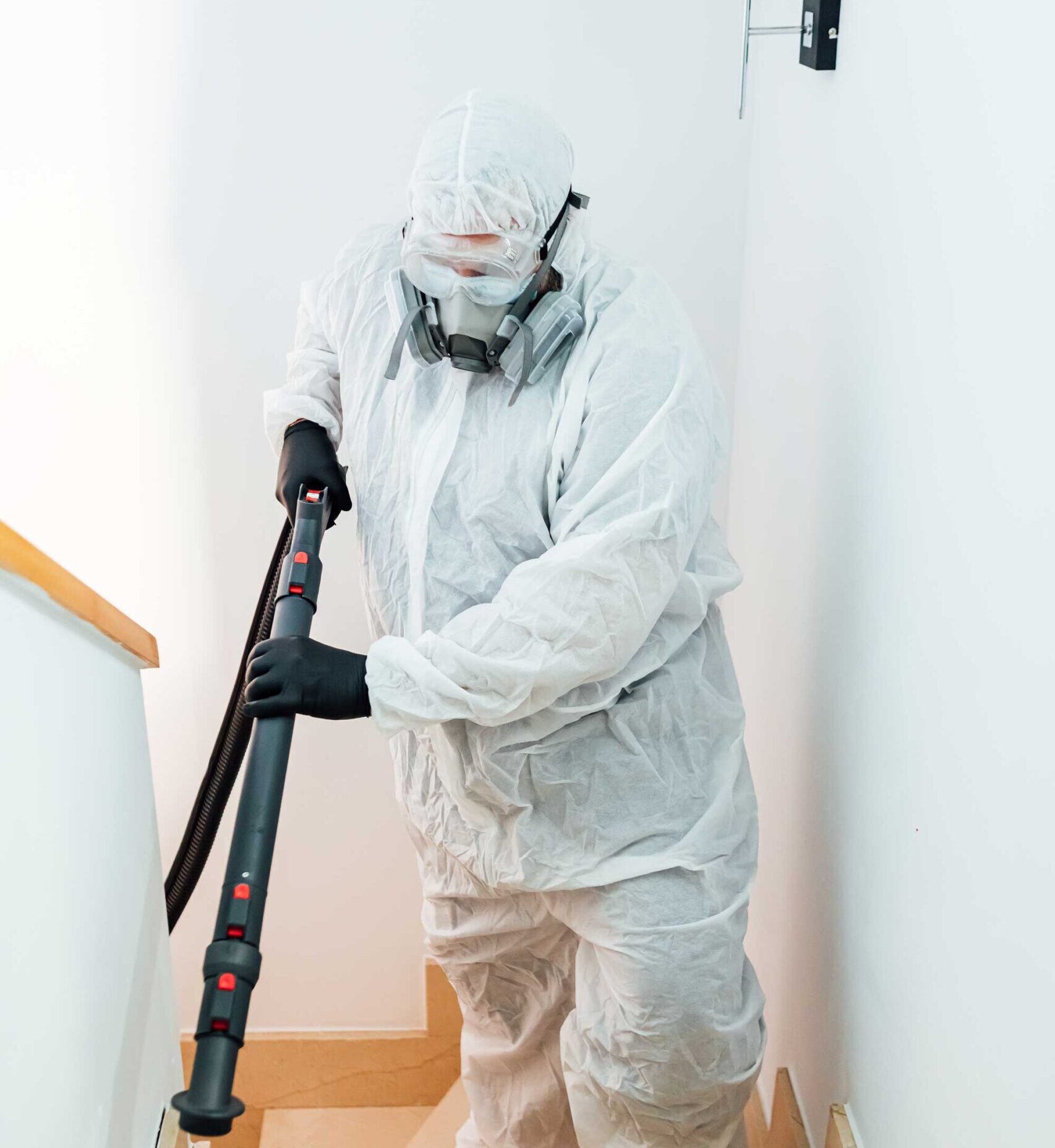
For Groveland residents and others across Lake County, that is the heart of HVAC mold remediation. In a humid climate, mold is rarely the first event. It is the visible result of water, condensation, or air movement gone wrong. Fix that chain, and cleanup has a chance to hold. Miss it, and the house tells you so, usually with the same smell, in the same spot, at the same vent, a few weeks later.